
Afghanistan's Front Page | National & International Reporting
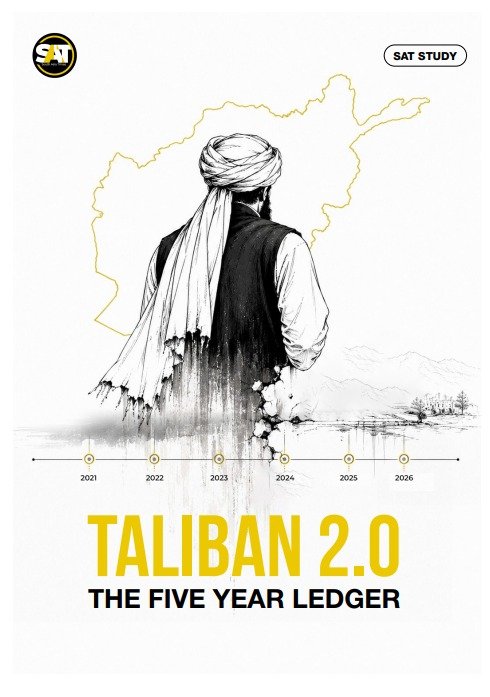
"TALIBAN 2.0: THE FIVE-YEAR LEDGERFive Years of Taliban Rule in Afghanistan: What Has Changed? What Hasnt? | Diplomatic FragmentationA new study from South Asia Times, "Taliban 2.0: The Five Year Ledger," carefully maps five full years of Taliban diplomacy on the world stage. Russia formally recognised the Islamic Emirate in July 2025, a symbolic milestone yet Afghanistan's diplomatic network still remains deeply fractured. Of 65 overseas missions, only 37 are currently Taliban-controlled, 14 remain staffed by former-Republic diplomats, and eight are closed entirely. Senior Taliban figures also remain individually listed under the UN's longstanding 1988 sanctions regime. The study concludes that recognition has expanded without resolving the Taliban's underlying legitimacy problem at home today.Read the full study. https://t.co/cmyIzhgyU8"
In July 2025, the Taliban reached a significant milestone by consolidating its governance in Afghanistan for five consecutive years. An analysis titled "Taliban 2.0: The Five Year Ledger" from South Asia Times sheds light on Afghanistan's evolving diplomatic landscape and internal governance under the Taliban regime. This period has seen incremental changes and persistent challenges for the Islamic Emirate.
Despite gaining formal recognition from Russia, the Afghan government remains embroiled in a complex web of international relations. Out of 65 missions previously operated overseas, only 37 are currently under Taliban administration, while a portion has been staffed with former Republic diplomats, indicating potential tensions and fragmentation. Furthermore, eight overseas missions have been completely shuttered, emphasizing the difficulties the Taliban faces in establishing a cohesive diplomatic presence. Critically, senior Taliban leaders continue to be listed under the UN's 1988 sanctions, presenting hurdles to international legitimacy that any government would strive to overcome.
The global response to the Taliban has been mixed. The recognition by Russia marks a notable shift, but many other nations continue to grapple with the implications of engaging with a government that is often viewed through a lens of skepticism. Countries are navigating their foreign policy without a clear consensus on how to interact with the Islamic Emirate; some nations are more open to dialogue than others. The Taliban's ongoing struggles with legitimacy both domestically and internationally have resulted in a fragmented diplomatic standing, further complicating Afghanistan's foreign relations.
As Afghanistan moves forward, the Taliban's ability to strengthen its diplomatic ties while navigating internal governance challenges will be pivotal. Future interactions with foreign nations could pave the way for improved relations and economic support, but the regime must address underlying issues to foster trust and stability. Building on their modest diplomatic victories, the Taliban could seek to leverage international partnerships to enhance Afghanistan's standing on the world stage, ultimately working towards a more unified and recognized government structure.


No comments yet. Be the first to comment!